
Flowers
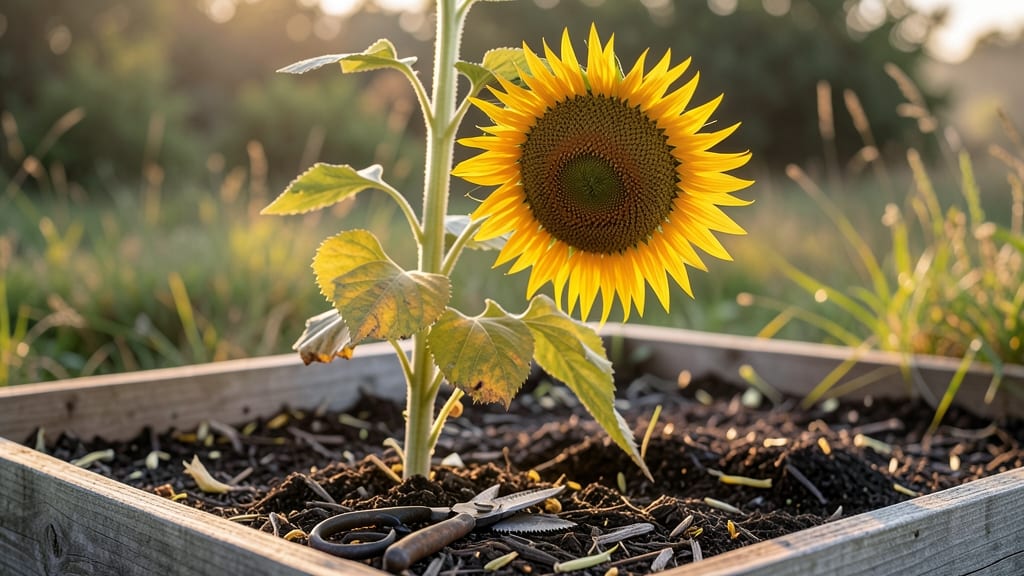
Sunflowers produce seeds about 60–90 days after planting once their vibrant blooms open, but the exact timing depends on your USDA zone and variety.
Picture this: you’ve nurtured your 🌻 from a tiny seedling to a towering garden star, only to wonder if those seeds are ready to harvest or still maturing. Miss the window, and you risk bitter, underdeveloped seeds—or worse, losing them to birds before you can collect them.
In Zone 6a, where spring planting kicks off in April, most sunflowers bloom by early summer and reach seed maturity by late July or August. But heatwaves or drought can speed up the process, while cooler climates might stretch it to 120 days.
Below, I’ll break down the bloom-to-harvest timeline by zone, how to spot perfectly ripe seeds, and why storing them properly keeps them viable for years—so you never waste another harvest again.
Sunflower seed production timeline: days from bloom to maturity by USDA zone
Understanding when sunflowers produce seeds depends heavily on your USDA zone, variety, and climate conditions. Most sunflower varieties take 60–120 days from planting to seed maturity, but the bloom-to-harvest window varies significantly across regions.
In warmer zones like USDA 9–11, seeds may ripen in as few as 45–60 days after flowering, while cooler zones like USDA 3–5 can extend this to 75–90 days due to shorter growing seasons.
Annual sunflowers, which dominate home gardens, follow a predictable timeline from bud formation to seed ripeness. Perennial varieties, though rare, often produce seeds slightly later due to their slower growth habit.
The key stages—flowering, seed development, and full maturity—are influenced by temperature, daylight hours, and water availability, all of which shift by zone.
Climate plays a critical role in seed production timing. For example, sunflowers in USDA 6–8 may experience longer daylight hours in summer, accelerating seed development, while those in USDA 3–4 face shorter days and cooler temperatures, slowing the process. Heatwaves or drought can also shorten the seed maturation period, while excessive rain may delay it.
In USDA zones 3–5, sunflowers planted in early June may not produce seeds until late September or October, depending on the variety. For example, 'Autumn Beauty' typically matures in 80–90 days, while 'Moulin Rouge' may take 65–75 days.
Gardeners in these zones often opt for early-maturing varieties to ensure seeds ripen before the first frost.
Gardeners in USDA zones 6–8 enjoy a broader harvest window, often spanning from July through September. Varieties like 'Russian Giant' or 'Teddy Bear' thrive here, producing seeds in 60–75 days after flowering. The longer growing season allows for multiple plantings, staggering harvests throughout summer and early fall.
For those in USDA zones 9–11, sunflowers can produce seeds remarkably fast—sometimes in as little as 45 days after flowering. Varieties like 'ProCut' or 'Suniz' are popular here due to their heat tolerance and quick maturation.
However, high temperatures above 90°F can stress plants, potentially reducing seed quality or yield.
One common misconception is that all sunflowers follow the same timeline. Dwarf varieties, like 'Teddy Bear', mature faster (50–60 days) than standard or giant varieties, which can take 80–120 days.
Always check the seed packet or plant tag for specific maturity dates, as these can vary even within the same zone.
To maximize seed production, monitor your sunflowers closely for visual cues of maturity. The back of the seed head should turn yellow-brown, and the petals will dry and fall off. If left too long on the plant, seeds may sprout prematurely or become bitter-tasting.
In humid climates, like those in USDA 7–9, fungal risks increase, so harvest promptly once seeds are dry.
If you're growing sunflowers for seed saving, aim to harvest when 70–80% of the seeds are mature. This ensures a balanced mix of fully developed and partially mature seeds, improving germination rates for next year’s garden.
Store seeds in a cool, dry place with low humidity to maintain viability for up to 3–5 years.
How to tell when sunflower seeds are ready for harvest (visual & tactile cues)
Harvesting sunflower seeds at the right time ensures maximum flavor and viability. The key lies in observing both visual and physical cues that signal peak ripeness. Most varieties take 75-120 days from planting to seed maturity, but these signs help you pinpoint the exact moment—no guesswork required.
First, watch for the petals to dry completely and drop away naturally. This usually happens 2-4 weeks after flowering, depending on your USDA zone. The seed head itself will transition from green to a dull brown color, feeling dry and papery to the touch.
- 1 Petal Drop: Wait until all petals fall off naturally—never harvest while petals are still vibrant.
- 2 Seed Head Color: The back of the head turns yellow-brown while the outer shell becomes dry and papery.
- 3 Thumb Squeeze Test: Gently press a seed—it should feel firm but not hard. If it leaves a dent, it’s overripe.
- 4 Rattling Sound: Shake the head—seeds should rattle loudly inside. Silence means they’re underripe.
- 5 Avoid Premature Harvest: Green seed heads or moisture inside mean seeds won’t store well—wait for full dryness.
For dwarf varieties, which mature faster (around 60-75 days), these cues appear slightly earlier. In hotter climates (Zones 8-11), seeds may ripen 2-3 weeks sooner due to accelerated growth, so monitor closely.
Once you’ve confirmed readiness, harvest on a dry, sunny day to prevent mold. Cut the seed head with 2-3 inches of stem attached, then hang it upside down in a well-ventilated area for 1-2 weeks to fully dry.
Avoid harvesting too early—green seeds won’t store well and may develop mold.
Pro tip: If birds become a problem before harvest, cover the seed heads with lightweight mesh once petals drop. This protects seeds without blocking airflow, ensuring they dry properly while staying safe from pests.