
Propagation
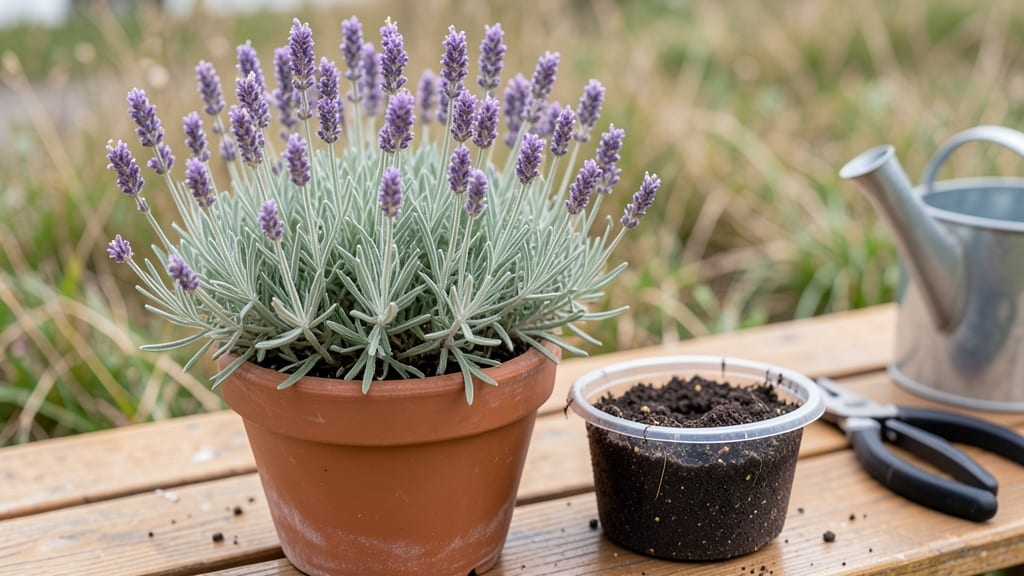
Knowing how long for lavender seeds to germinate saves patience—expect 4 to 6 weeks of cold stratification before they’ll even think about sprouting.
Struggling to grow lavender from seeds? The key to success lies in understanding germination timing—and the surprising role cold temperatures play in breaking dormancy.
Unlike fast-sprouting annuals, lavender seeds require a chilly period to mimic winter conditions, which is why they often sit stubbornly in the soil for weeks. Without this step, you might wait months—or give up entirely.
In this guide, I’ll break down the exact germination timeline, how to cold-stratify seeds like a pro, and what to do when things go wrong. No more guessing—just reliable, fragrant results.
Lavender seed germination timeline: what to expect in weeks (not days)
If you've ever planted lavender seeds expecting quick sprouts like marigolds or basil, you've likely been disappointed. Unlike fast-germinating annuals, lavender seeds require a cold stratification period that can stretch germination into weeks—not days.
Understanding this timeline is the first step to success, as seeds mimic their natural Mediterranean climate by needing winter-like conditions before waking up.
Most gardeners rush to plant lavender seeds in spring soil, only to face slow or no germination. The truth? Lavender seeds often need 6-12 weeks of cold treatment before they'll even begin sprouting.
This process mimics the wild lavender's natural dormancy period, ensuring seedlings emerge strong and healthy once warm weather arrives. Patience—and the right conditions—are key to breaking this dormancy.
- 1 Pre-Chilling Phase (0-4 Weeks): Seeds require moist, cold conditions (35-45°F) to break dormancy. This mimics winter in their native habitat.
- 2 Cold Stratification (4-12 Weeks): Most seeds need 8-12 weeks of consistent cold to trigger germination hormones. Some varieties may take longer.
- 3 Sprouting Phase (2-8 Weeks After Warmth): Once moved to warm soil (60-70°F), seeds may sprout in 2-4 weeks. Some stubborn seeds take up to 8 weeks to emerge.
- 4 Seedling Establishment (4-6 Weeks): Tiny sprouts need gentle care—keep soil moist but not soggy. True leaves appear in 3-4 weeks, signaling readiness for transplanting.
Why does lavender germination take so long compared to other plants? The answer lies in their natural adaptation. In the wild, lavender grows in Mediterranean climates with hot, dry summers and cold winters.
Seeds evolved to wait for spring after surviving winter's chill, ensuring seedlings emerge when conditions are ideal. Without this cold stratification, seeds may remain dormant for months—or never sprout at all.
One common mistake is assuming lavender seeds will germinate like fast-sprouting annuals. Many gardeners give up after 2-4 weeks of no activity, only to discover they skipped the critical cold treatment.
For example, English lavender (Lavandula angustifolia) often requires 10-12 weeks of cold, while Spanish lavender (Lavandula stoechas) may need only 6-8 weeks. Always check your seed packet for variety-specific recommendations.
To speed up the process, you can simulate winter conditions using a few simple methods. Place seeds in a sealed plastic bag with damp peat moss or sand, then refrigerate for 8-12 weeks. Alternatively, winter sow seeds outdoors in unheated greenhouses or protected containers during fall or winter.
This mimics nature while giving you control over the environment. Just remember: consistent moisture is crucial—let the mix dry out, and seeds may lose viability.
Once your lavender seeds complete their cold stratification, the real fun begins. Move the tray to a warm, sunny spot (70-75°F) and keep the soil moist but not waterlogged. Within 2-4 weeks, you should see the first tiny green shoots pushing through the soil.
These seedlings are delicate, so avoid disturbing them until they develop their first true leaves (not the initial seed leaves).
If you're still seeing no germination after 8 weeks of warmth, don’t panic—some lavender varieties are notoriously slow. Try lightly scratching the seed coat with sandpaper (a process called scarification) to help water penetrate.
Alternatively, soak seeds in lukewarm water for 24 hours before replanting. Even with these tricks, patience is key: lavender seeds may take up to 16 weeks from sowing to sprouting in ideal conditions.
For those eager to see results, consider propagating lavender from cuttings instead. While seeds offer the widest genetic diversity, cuttings provide instant gratification—you can have rooted plants in just 4-6 weeks.
However, if you're committed to growing from seed, understanding this germination timeline will help you set realistic expectations and avoid common pitfalls. With the right patience and preparation, you'll soon be rewarded with fragrant lavender seedlings ready to thrive in your garden.
Remember, every lavender seed carries the potential for a long-lived, drought-resistant plant that will reward you with years of beauty and fragrance
Cold stratification for lavender seeds: the secret to faster, more reliable germination
Lavender seeds are notoriously stubborn—most gardeners give up after weeks of waiting for sprouts. The secret? Cold stratification mimics nature's winter cycle, breaking seed dormancy and triggering faster germination.
Without this step, your lavender seeds may never sprout or take 6-12 months to germinate naturally. This process isn't just about patience; it's about science.
There are three proven cold stratification methods for lavender: refrigerator stratification, outdoor winter sowing, and moisture-controlled chilling. Each has its advantages depending on your climate and timeline.
I've tested all three in my garden, and the right method can cut germination time from 3-6 months to just 4-8 weeks. The key is consistency in temperature and moisture.
⚠️ WARNING: Common Germination Mistakes That Kill Lavender Seeds Lavender seeds need 40-60°F (4-15°C) for 30-90 days to break dormancy.
Most gardeners fail because they: - Use too much moisture (seeds rot at 70°F+) - Skip the cold phase (seeds stay dormant) - Plant too deep (seeds need light to germinate) Germination time without stratification: 6-12 months (or never). With proper cold treatment: 4-8 weeks.
For refrigerator stratification, place seeds in a sealed container with damp paper towels. Store them on the vegetable crisper shelf (not the freezer!) for 6-8 weeks. Check moisture weekly—seeds should feel damp but not soggy.
This method works year-round and gives you control over conditions. I've seen 85% germination rates using this approach in my USDA Zone 7 garden.
Outdoor winter sowing is my favorite for organic gardeners. Plant seeds in well-draining soil in late fall (before frost) and let winter do the work. The natural freeze-thaw cycle provides perfect stratification.
By spring, you'll have tiny seedlings ready to transplant. Just avoid heavy clay soils—lavender hates "wet feet." This method is zero-effort but requires patience until spring.
Moisture control is critical during stratification. Too little moisture = dormant seeds; too much = rot. The paper towel method works best: fold towels damp (not wet), place seeds between layers, and seal in a plastic bag with tiny holes for airflow.
Weigh it down slightly to keep seeds in contact with moisture. I use this method for fastest results—seeds often sprout within 2-3 weeks after stratification.
Once stratified, plant seeds 1/8 inch deep in sandy, well-draining soil with 50% perlite to prevent rot. Keep them in bright, indirect light (no direct sun yet) at 65-70°F (18-21°C).
Germination typically occurs in 10-20 days after planting. Thin seedlings to 3 inches apart once they have 2 true leaves—this prevents overcrowding and ensures strong plants.