
How To
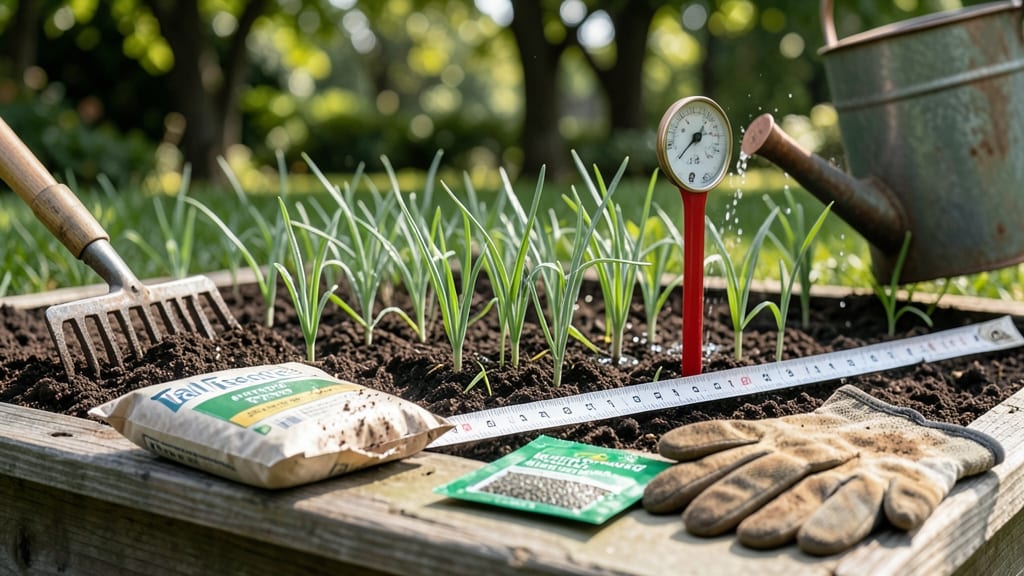
Grass seed grows in 7 to 21 days to sprouting, but full coverage takes 4 to 12 weeks depending on the type and conditions 🌱.
Picture this: you’ve just spread seed across your yard, dreaming of a lush green lawn by summer. But what if I told you that soil temperature could double—or even halve—that timeline? Cool weather slows germination, while warm, moist soil speeds it up dramatically.
Most gardeners rush to water or fertilize, but the real game-changer is consistency—keeping the soil evenly moist without drowning it. Too much water suffocates seeds, while too little leaves them struggling in the heat.
Below, I’ll break down the exact days for each grass type and how to tweak conditions for faster results.
You’ll also learn when to stop watering daily, how to spot trouble early, and the one trick that ensures thick, even growth. No more guessing whether your lawn will be ready by Memorial Day!
Grass seed germination times by type: fastest to slowest
If you're eager to see green blades emerge, timing is everything. Some grass seeds sprout in as little as 5 days, while others take nearly 30 days to break through the soil.
The fastest growers like annual ryegrass are perfect for quick cover, while cool-season grasses like Kentucky bluegrass take longer but establish deeper roots for long-term success.
Understanding these differences helps you choose the right seed for your climate and timeline. For example, Bermuda grass thrives in heat but needs warm soil—planting too early in cool spring soil can delay germination by weeks.
Meanwhile, fescue grasses prefer cooler temperatures and germinate faster in fall than in summer heat.
Here’s the breakdown of germination times from fastest to slowest, plus the ideal conditions to speed up each type:
| Grass Type | Germination Time | Ideal Soil Temp (°F) | Best Planting Season | Full Coverage Time |
|---|---|---|---|---|
| Annual Ryegrass | 5–10 days | 50–75°F | Spring/Fall | 3–4 weeks |
| Bermuda Grass | 7–14 days | 75–95°F | Late Spring/Summer | 4–6 weeks |
| Tall Fescue | 10–21 days | 55–75°F | Early Spring/Fall | 6–8 weeks |
| Kentucky Bluegrass | 14–30 days | 50–70°F | Early Fall | 8–12 weeks |
| Fine Fescue | 14–28 days | 50–65°F | Early Fall | 8–10 weeks |
Notice how soil temperature directly impacts germination speed? For example, Bermuda grass won’t sprout until soil reaches 75°F, which is why planting too early in spring can stall growth for weeks. Use a soil thermometer to check—ideal temps for most grasses are between 50–75°F.
Watering plays an equally critical role. Seeds need consistent moisture to germinate, but overwatering can suffocate them. Aim for 1/4 inch of water daily (or enough to keep the top inch of soil damp) until sprouts appear. Once seedlings emerge, reduce to 1/2 inch per week to encourage root growth.
Light also matters—most grasses need full sun (6+ hours daily) to establish strong roots. Shady areas slow growth, so choose shade-tolerant varieties like fine fescue if your lawn gets limited sunlight. Even a few extra hours of sun can cut germination time by 30%.
Pro tip: If you’re seeding in hot summer months, water the soil before planting to raise its temperature closer to the ideal range. A simple trick like covering the seeded area with lightweight straw mulch retains moisture and keeps soil temps stable, speeding up sprouting by 2–3 days.
For the fastest results, pair the right seed with the right season. Annual ryegrass is my go-to for quick cover in spring or fall, while Kentucky bluegrass shines in cooler climates if you’re patient. Test a small patch first to confirm germination times in your microclimate!
Key factors that speed up or delay grass seed growth
When you spread grass seed, the clock starts ticking—but not all seeds follow the same schedule. Soil temperature is the #1 factor controlling germination speed. Cool-season grasses like fescue and bluegrass sprout fastest in 60-75°F soil, while warm-season types like Bermuda need 75-85°F to thrive.
Even a 10°F difference can cut germination time in half!
Moisture matters just as much as temperature. Seeds need consistent dampness to activate enzymes that kickstart growth. A light misting twice daily keeps the top 1/4 inch of soil moist without drowning roots.
Overwatering creates a suffocating layer, while underwatering leaves seeds high and dry—both kill sprouting chances faster than you’d think.
Here’s how to optimize each critical factor for faster, healthier grass growth:
Sunlight exposure often gets overlooked, but it’s a silent growth accelerator. Grass seeds need 6+ hours of direct sun daily to photosynthesize and grow roots. In shady areas, germination can take 3-5 extra days.
If your yard has partial shade, consider reflective mulch or a temporary shade cloth to boost light levels during critical sprouting weeks.
Don’t forget soil pH—most grass prefers a range of 6.0-7.0. Test your soil before planting; adjusting pH with lime or sulfur can make the difference between slow, patchy growth and a thick, uniform lawn.
A simple home test kit costs under $10 and saves you from wasted seed and frustration.
Finally, seed depth matters more than most gardeners realize. Planting too deep (over 1/4 inch) forces seeds to struggle for light, delaying sprouting by up to 10 days. Use a light rake pass to cover seeds evenly—just enough to hold them in place without burying them.