
How To
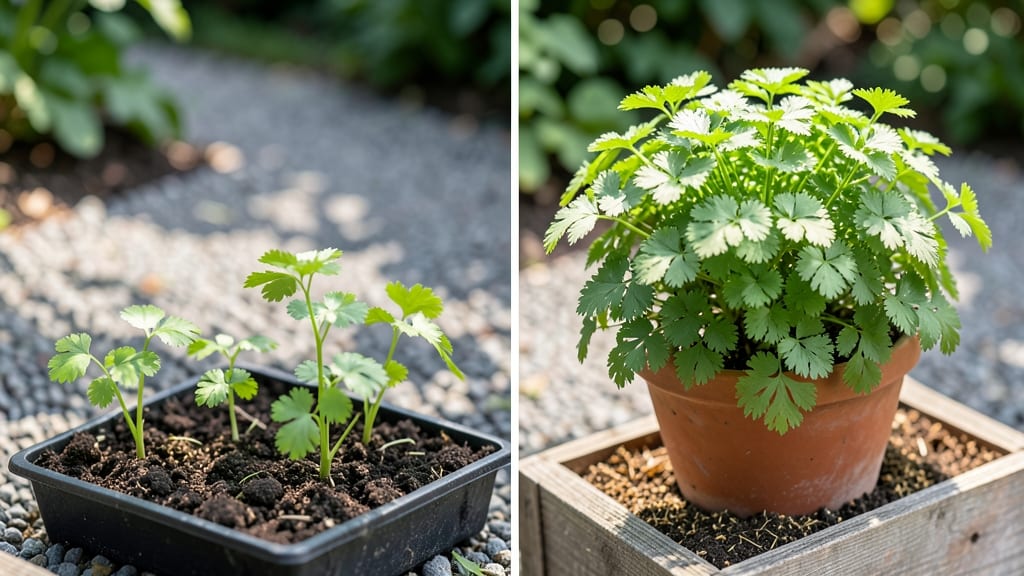
Growing cilantro from seed takes 7 to 14 days to sprout, but patience is key—this herb has a reputation for being finicky.
Struggling with cilantro seeds that refuse to sprout? Most gardeners expect quick results, but this cool-weather herb has a mind of its own. Germination can stretch beyond two weeks if soil conditions aren’t just right, leaving you wondering if you’ll ever taste that fresh, zesty flavor.
The good news? With the right techniques, you can cut that wait time and get your 🌿 cilantro growing faster than you think.
Under ideal conditions—warm soil, consistent moisture, and bright light—cilantro seeds typically sprout within a week. But cold soil or uneven watering can delay germination for weeks, or even cause seeds to rot.
That’s why knowing the key factors that speed up or slow down growth is the difference between a thriving herb garden and a frustrating wait.
In this guide, I’ll walk you through the exact timeline for each stage of growth, share proven tricks to get your cilantro sprouting in under 10 days, and troubleshoot the most common mistakes that keep seeds from ever breaking soil. Ready to grow your own? Let’s get started.


Cilantro germination timeline: from seed to sprout in 7-14 days (with key factors)
If you've ever planted cilantro seeds expecting quick results, you know the frustration when they take their sweet time to sprout. Unlike fast-sprouting herbs like basil, cilantro seeds typically germinate between 7 and 14 days, with ideal conditions shaving off those extra days.
Understanding this timeline—and the factors that influence it—helps you set realistic expectations and troubleshoot delays before they become problems.
The cilantro germination timeline isn't just about waiting; it's about creating the perfect environment. Too cold, and seeds stall. Too dry, and they give up entirely. Even the best seeds need consistent moisture, warm soil, and indirect light to break dormancy.
Let's break down each stage so you can accelerate those first green shoots.
| Stage | Timeframe | Key Conditions | Actionable Tips |
|---|---|---|---|
| Seed Imbibition | 1-3 days | Moisture activation | Keep soil damp (not soggy) |
| Radicle Emergence | 3-7 days | 60-75°F soil | Use seedling heat mat if below 60°F |
| Shoot Breakthrough | 7-10 days | Indirect light | Cover with shade cloth if in direct sun |
| First True Leaves | 10-14 days | Consistent moisture | Water at soil level (avoid leaf wetness) |
Day 1-3 marks the seed imbibition phase, where seeds absorb moisture to activate enzymes. This is where most gardeners go wrong—either by overwatering (which drowns seeds) or letting the soil dry out.
Aim for consistently damp soil, like a wrung-out sponge. A quick test? Stick your finger in: if the top inch feels dry, water lightly.
The radicle emergence (days 3-7) is the most critical stage, where the seed's root breaks through its shell. Here, soil temperature becomes non-negotiable. Cilantro seeds need warmth—60-75°F is ideal.
If your garden soil is cooler (common in early spring or fall), use a seedling heat mat ($15 at garden centers) or plant in a south-facing window with a heat source beneath the tray.
Days 7-10 bring the shoot breakthrough, where the first green leaves push through the soil. This is when many gardeners panic and move trays to bright sunlight—big mistake.
Young cilantro seedlings scorch in direct sun. Instead, place them under 50% shade cloth or a sheer curtain until they've developed their second set of true leaves.
By days 10-14, you should see true leaves (not the initial seed leaves) emerging. These are your cue that germination is complete. However, this timeline assumes optimal conditions.
Real-world factors like old seeds (over 1 year), compacted soil, or pesticide residue can extend germination to 21 days or more. If you're past day 14 with no sprouts, it's time to troubleshoot.
One common myth is that cilantro seeds need darkness to germinate. While they prefer low light initially, they don't need complete darkness. A bright, indirect light source (like a grow light 6 inches away) speeds up the process without risking leggy seedlings.
Avoid fluorescent bulbs—they emit too little heat and can cause uneven growth.
Scientifically, cilantro's slow germination is tied to its chemical dormancy. The seed coat contains compounds that delay sprouting until conditions are perfect. This is why pre-soaking seeds for 4-6 hours in warm water can cut germination time by 30%.
Just don't soak them overnight—cilantro seeds rot quickly if submerged too long.
Finally, remember that container size matters. Crowded seeds compete for nutrients and space, slowing growth. Plant seeds 1/4 inch deep and 1 inch apart in trays. If you're direct-sowing, thin seedlings to 6 inches apart once they're 2 inches tall.
This might seem counterintuitive, but it prevents root-bound stress, which further delays development.
With these factors in mind, you're now equipped to turn those 7-14 day estimates into reality. Track your soil temp, monitor moisture, and provide gentle light—your cilantro will reward you with lush, flavorful growth in no time. 🌱
5 Proven techniques to speed up cilantro germination in under 10 days
Cilantro seeds are notorious for their slow start, often taking 7-14 days to sprout under ideal conditions. But with the right techniques, you can cut that time in half and get those bright green sprouts popping up in just 7-10 days.
The secret lies in mimicking nature’s perfect conditions—warmth, moisture, and just the right amount of light. Let’s dive into my top 5 proven methods that have worked in my garden (and countless others) to jumpstart cilantro germination.
First, pre-soaking seeds is a game-changer. Cilantro seeds have a hard outer coating that slows down water absorption. Soaking them overnight in lukewarm water softens the shell, allowing roots to emerge faster. I swear by this trick—it’s like hitting the reset button on stubborn seeds.
Just place them in a bowl of water, cover, and let them sit for 8-12 hours before planting. The seeds will swell slightly, signaling they’re ready to sprout.
- 💧 Pre-soak seeds in lukewarm water for 8-12 hours to soften hard shells and kickstart root growth.
- 🌡️ Maintain 70-80°F soil temp using black plastic mulch or a seedling heat mat for faster sprouting.
- 🌱 Plant seeds ¼ inch deep in loose, well-draining soil—deeper planting delays germination.
- ☀️ Provide bright indirect light (like a south-facing window) to prevent leggy seedlings.
- 🌿 Use companion plants like dill or basil to improve soil conditions and deter pests.
Next, soil temperature is non-negotiable. Cilantro seeds germinate best in soil that’s 70-80°F. If your garden soil is cooler (common in early spring or fall), use a black plastic mulch or a seedling heat mat to warm it up.
I’ve seen germination times drop from 2 weeks to 5 days just by adding a cheap heat mat under my seed trays. Pro tip: Check soil temp with a thermometer—anything below 60°F and you’re asking for trouble.
Don’t overlook planting depth. Many gardeners bury cilantro seeds too deep, which suffocates them. The sweet spot is ¼ inch deep—just enough to cover them lightly. I use my finger to make a shallow trench, drop the seeds in, and cover with a sprinkle of soil.
Press gently to ensure good seed-to-soil contact. Overwatering at this stage can also drown seeds, so keep the soil moist but not soggy. A spray bottle works wonders for gentle hydration.
Light plays a crucial role too. While cilantro seeds need darkness to germinate, seedlings crave bright indirect light to prevent stretching. Place your trays near a south-facing window or under grow lights (12-14 hours/day). If you notice seedlings reaching toward the light, they’re begging for more.
I’ve had success with LED grow lights just a few inches above the seedlings—no need to go overboard. And remember, direct sunlight can scorch young leaves, so ease them into full sun gradually.
Finally, companion planting can work wonders. Cilantro thrives near dill, basil, or tomatoes, which improve soil health and deter pests like aphids. I plant a few dill seeds alongside my cilantro—it’s like a natural fertilizer and growth booster.
Plus, the dill’s taller stems provide shade, which can help prevent cilantro from bolting (going to seed) too quickly. Just avoid planting near parsley or fennel, as they can cross-pollinate and cause flavor issues.