
How To
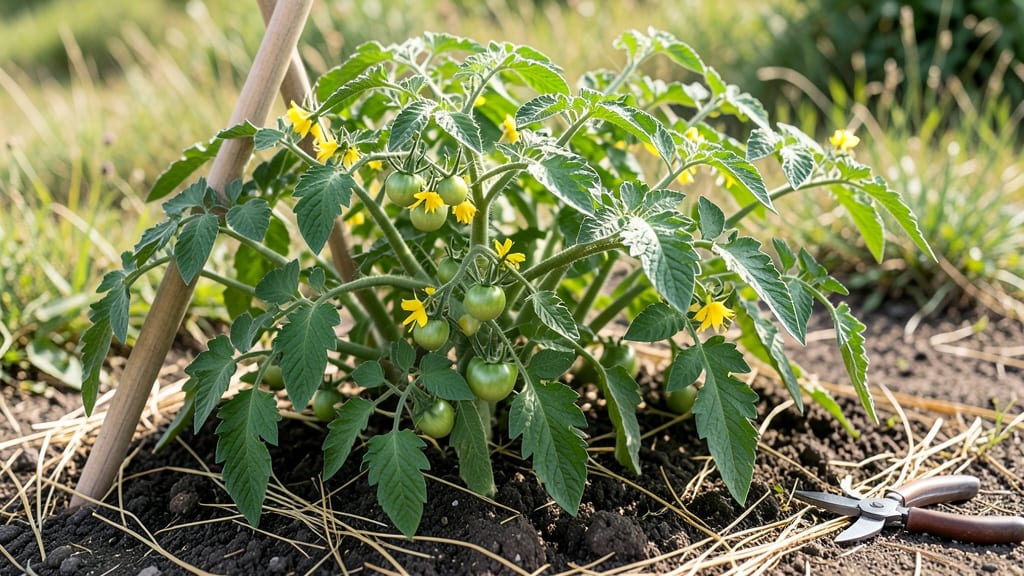
Growing tomatoes from seed takes between 30 and 90 days, depending on the variety, growing conditions, and a little luck.
Picture this: you tuck a few tiny seeds into damp soil in early spring, and by midsummer, you’re biting into a vine-ripped 🍅 fresh from your garden. But here’s the catch—some tomatoes sprint to maturity in under two months, while others take nearly three to reach peak flavor.
The difference? Variety, warmth, and a few smart tricks to keep your plants on the fast track.
If you’ve ever stared at a seed packet wondering, “Will these ever grow?” or if you’re planning a summer harvest and need to time things right, this timeline will save you from guesswork.
We’ll break down each stage—from sprouting to fruiting—so you know exactly what to expect and how to speed things up without sacrificing quality.
Ready to turn those seeds into a bountiful harvest? Below, you’ll find the exact days to harvest for popular varieties, plus five proven tips to shave weeks off your growing time—no green thumbs required.


Tomato growth timeline from seed: key stages and days to harvest
Growing tomatoes from seed is a rewarding process, but the timeline varies dramatically based on the variety, germination conditions, and environmental factors. While fast-growing cherry tomatoes can reach harvest in as little as 50 days, heirloom varieties may take 80–90 days or more.
Understanding each growth stage helps you set realistic expectations and optimize your garden's success.
The journey begins with germination, where seeds sprout under ideal conditions of 70–85°F soil temperatures and consistent moisture. This phase typically takes 5–14 days, but cooler soils can stretch it to 3 weeks.
Once sprouted, seedlings enter a critical seedling stage lasting 3–4 weeks, where proper light exposure and nutrient balance prevent leggy growth.
Transplanting outdoors usually occurs 6–8 weeks after sowing, but this depends on your last frost date and the variety's cold tolerance. After transplanting, tomatoes enter the vegetative growth phase, where they focus on developing foliage and roots. This stage lasts 3–6 weeks, with faster growth in warm, sunny conditions and slower progress in cooler climates.
Flowering marks the transition to fruit production, typically 4–6 weeks after transplanting. However, environmental stressors like temperature swings or nutrient deficiencies can delay this stage. Once flowers appear, tomatoes need consistent pollination—either from bees or gentle hand-shaking—to develop fruit. Fruiting then begins, with harvest-ready tomatoes appearing 4–8 weeks later, depending on the variety.
| Stage | Days to Complete | Key Actions | Environmental Needs |
|---|---|---|---|
| Germination | 5–14 days | Keep soil moist, maintain 70–85°F | Warmth, humidity, indirect light |
| Seedling Growth | 21–28 days | Provide 12–16 hours light, fertilize lightly | Bright light, 65–75°F, well-draining soil |
| Transplanting | 1 day (after hardening) | Hardening for 7–10 days, plant after last frost | Warm soil (60°F+), full sun |
| Vegetative Growth | 21–42 days | Water deeply, fertilize monthly | Full sun, 70–85°F, consistent moisture |
| Flowering | 14–28 days | Hand-pollinate if needed, prune suckers | Warm days, cool nights, 65–80°F |
| Fruiting & Harvest | 28–56 days | Harvest when fully colored, pick regularly | Full sun, 75–90°F, balanced nutrients |
One of the biggest factors accelerating or delaying tomato growth is temperature. Tomatoes thrive in 70–85°F conditions, but temperatures below 55°F or above 90°F can stunt growth. For example, cool spring nights may delay flowering, while hot summer afternoons can cause blossom drop.
Similarly, light exposure plays a critical role—seedlings need 12–16 hours of light daily to avoid becoming leggy and weak.
Soil quality also impacts the timeline. Tomatoes prefer well-draining, nutrient-rich soil with a pH between 6.0 and 6.8. Amending soil with compost or aged manure before planting ensures seedlings have the nutrients they need to grow quickly.
Additionally, consistent watering is non-negotiable—fluctuating moisture levels can stress plants, leading to slower growth or even blossom end rot.
If you're growing determinate varieties like 'Celebrity' or 'Roma', expect a slightly faster timeline—these bushes focus energy on fruit
Fastest vs. slowest tomato varieties: which grow in 30 days vs. 90+ days?
Not all tomatoes follow the same timeline—some varieties sprint to harvest in 30 days, while others take 90+ days to ripen.
The difference comes down to genetics, size, and growth habits. Cherry tomatoes like 'Tiny Tim' and patio varieties like 'Patio Princess' are bred for speed, while heirlooms like 'Brandywine' prioritize flavor over speed. If you're short on time or space, fast varieties are your best bet for quick rewards.
Slow-growing tomatoes often produce larger, more flavorful fruit but require more patience. Indeterminate varieties like 'Cherokee Purple' keep growing all season, while determinate types like 'Roma' mature faster but stop growing after flowering.
The trade-off? Speed vs. size and taste. I’ve grown both in my garden, and the difference in timing is night and day.
For ultra-fast tomatoes, look for varieties labeled "early," "bush," or "determinate." These include 'Tiny Tim' (35 days), 'Patio Princess' (40 days), and 'Balcony Red' (45 days). They’re perfect for containers, small spaces, or impatient gardeners.
I’ve used these in my balcony garden, and they deliver cherry-sized tomatoes in under two months—ideal for quick snacks or salads.
On the other end of the spectrum, heirloom tomatoes like 'Brandywine' and 'Cherokee Purple' take 80–90+ days to ripen. Their slow growth is worth it for their complex flavors and larger fruit, but they demand more time, space, and care.
If you’re growing in a short season, consider starting these indoors 8–10 weeks early to extend your harvest window.
To speed up slower varieties, optimize growing conditions. Provide full sun (6+ hours daily), use warm soil (70°F+), and fertilize with balanced nutrients (10-10-10).
I’ve seen 'Brandywine' tomatoes ripen 10–15 days faster when grown in raised beds with extra compost. Even heirlooms can be hastened with the right care!
If you’re torn between speed and flavor, consider a mid-range variety like 'Early Girl' (55–60 days) or 'Sungold' (60 days). These strike a balance, offering decent size and taste without the wait of heirlooms.
For me, 'Sungold' is the sweet spot—fast enough for a summer harvest but flavorful enough to impress.