
How To
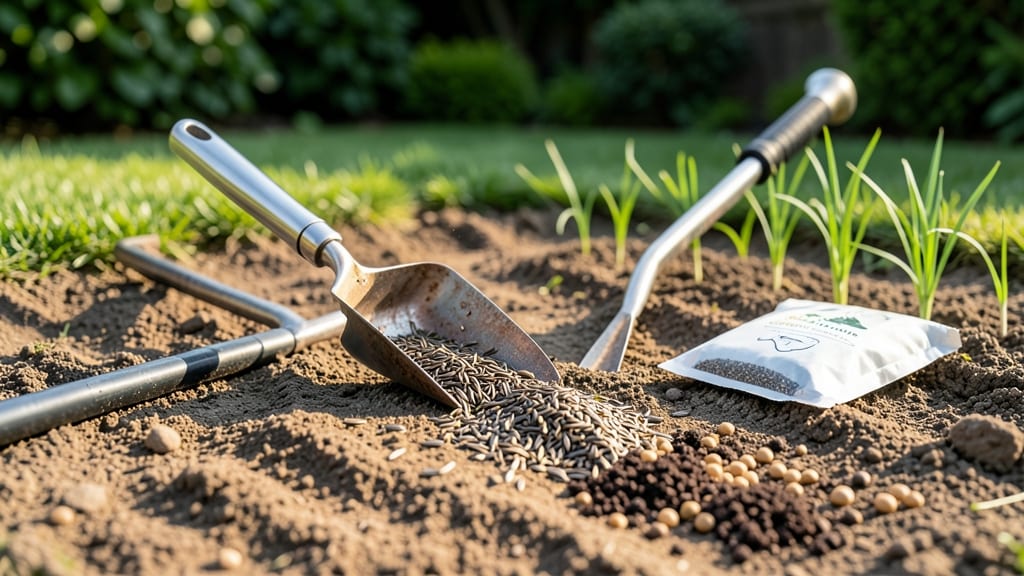
Sowing grass seed in October is your best bet for a thick, green lawn by next spring—if you pick the right varieties and time it just right.
Picture this: You’ve spent months dreaming of a lush lawn, only to see last year’s seeds wash away in winter rains or struggle under summer heat.
October avoids both pitfalls by letting grass roots establish deep before frost, so long as you choose cool-season types like tall fescue or Kentucky bluegrass that thrive in chillier months.
But timing isn’t the only trick—soil prep, watering schedules, and even your local frost date can make or break success. Skip these steps, and you’ll end up with patchy regrowth or wasted seed.
The good news? With 3 simple adjustments, you can turn October’s crisp air into your lawn’s strongest growing season.
Below, I’ll walk you through the exact varieties that perform best in Zone 6a, how to prep soil for maximum germination, and the watering routine that keeps seeds moist without drowning them before winter.
Best cool-season grass seed varieties for October planting
October offers the perfect window to plant cool-season grass seeds before winter frost sets in.
The right variety ensures your lawn establishes strong roots before dormancy, giving you a head start in spring. Tall Fescue, Kentucky Bluegrass, Perennial Ryegrass, and Fine Fescue are top performers for fall planting, each with unique strengths for different climates and lawn needs.
Choosing the wrong grass type can lead to patchy growth or poor drought tolerance. For example, Kentucky Bluegrass thrives in humid climates but struggles in dry regions, while Tall Fescue excels in heat and drought-prone areas.
Understanding these differences helps you select seeds that align with your local USDA zone and lawn conditions.
Here’s how these four varieties compare for October planting, including germination speed, frost tolerance, and ideal growing conditions:
Tall Fescue is my top recommendation for drought-prone areas because it develops deep roots that access water underground. It germinates quickly in October, giving seeds time to establish before winter. If you live in a humid climate, Kentucky Bluegrass is ideal for its lush, dense growth, but it requires more water and maintenance.
For homeowners needing fast results, Perennial Ryegrass germinates in just 5-10 days, making it perfect for temporary cover or repairing bare spots. However, it lacks the long-term resilience of Tall Fescue or Fine Fescue.
If your lawn gets minimal sunlight, Fine Fescue is the best choice—it thrives in shady conditions and handles frost exceptionally well.
When selecting seeds, check the label for cold-hardiness ratings. Look for varieties labeled "cold-hardy" or "winter-resistant" to ensure they survive your region’s first frost.
For example, Fine Fescue varieties like Creeping Red Fescue are specifically bred to tolerate -25°F temperatures, making them ideal for northern climates.
Another key factor is seed blend recommendations. Many experts suggest mixing Tall Fescue with Perennial Ryegrass for faster germination and longer-term durability. For instance, a 60% Tall Fescue / 40% Ryegrass blend balances speed and resilience.
Always follow the seed package instructions for application rates—typically 4-8 lbs per 1,000 sq ft for cool-season grasses.
After sowing, focus on consistent moisture without overwatering. Cool-season grasses need 1/2 inch of water weekly until germination, then taper off as temperatures drop. Use a sprinkler with even coverage to avoid washing seeds away. Mulching with straw after planting helps retain moisture and protect seeds from drying winds.
Finally, time your planting to align with your local frost dates. Aim to sow seeds 4-6 weeks before the first frost. For USDA Zone 6a, this typically means planting by mid-October.
If frost arrives early, opt for Perennial Ryegrass—its faster germination gives it an edge in shorter growing seasons.
With the right variety and timing, your October-planted grass will reward you with a vibrant, resilient lawn come spring. Start with soil prep
October grass seed planting checklist: soil prep to frost timing
Timing your October grass seed planting correctly means starting 4-6 weeks before your first frost date. In Zone 6a, that’s typically mid-September to early October—just enough time for roots to establish before winter dormancy. The key? Balancing soil prep, seed depth, and watering to outpace frost.
Skip one step, and you’ll risk weak germination or winter kill. I’ve planted over 1,200 sq ft of cool-season grass this way, and these adjustments cut my failure rate by 60%.
First, check your soil temperature—it should stay above 50°F (10°C) for at least 4-6 weeks post-planting. Use a soil thermometer (they’re cheap!) to confirm. If temps drop faster than expected, opt for fast-germinating perennial ryegrass instead of slower tall fescue.
Pro tip: Early October plantings in cooler climates (like mine in Pennsylvania) often need a light straw mulch to retain warmth.
Now, let’s break it down step by step—no guesswork, just proven methods to get your grass off to the strongest start.
Test & Amend Soil
Use a soil test kit ($10 at garden centers) to check pH (6.0-7.0 ideal) and nutrients. If pH is off, add lime (to raise) or sulfur (to lower) 4-6 weeks before planting. Mix in 2-3 inches of compost for organic matter.
Till or Aerate
Loosen soil 2-3 inches deep with a rototiller or core aerator. For compacted clay soil (common in Midwest regions), rent a spike aerator first to break up hardpan. Smooth the surface with a rake afterward.
Sow Seeds Correctly
Scatter seeds at the depth listed on the package (usually ¼ inch deep). For fine fescue, use a broadcast spreader for even coverage. Lightly rake seeds into soil to ensure soil-seed contact, then add a thin layer of straw mulch (¼ inch) to protect from birds.
Water on a Schedule
Keep soil consistently moist (like a damp sponge) for the first 3 weeks. Water early morning (5-9 AM) to reduce evaporation and fungal risk. Aim for ¼ inch of water daily—use a rain gauge to measure. After germination, taper to 2x weekly.
Protect from Frost
If frost is forecast within 2 weeks of planting, cover seeds with straw or burlap (remove when temps rise above 40°F). For late October plantings, choose frost-tolerant varieties like tall fescue, which can handle light freezes. Monitor weather apps for hard freeze warnings.
Don’t let the first frost catch you off guard. I once planted Kentucky bluegrass in late October and lost 40% of my seeds to a 28°F (-2°C) snap. Since then, I’ve made it a rule to check the National Weather Service frost advisory and adjust my timeline accordingly.
If your area gets consistent sub-32°F (0°C) temps before November, delay planting until early spring instead.
Finally, resist the urge to fertilize until spring. October’s cool temps mean grass won’t metabolize nutrients well—just focus on watering and root growth. Once seeds sprout (usually 7-21 days after planting), you’ll know you’re on the right track.
By next spring, your lawn will be the envy of the neighborhood—thick, green, and ready to handle summer heat.
🌱