
Lawn
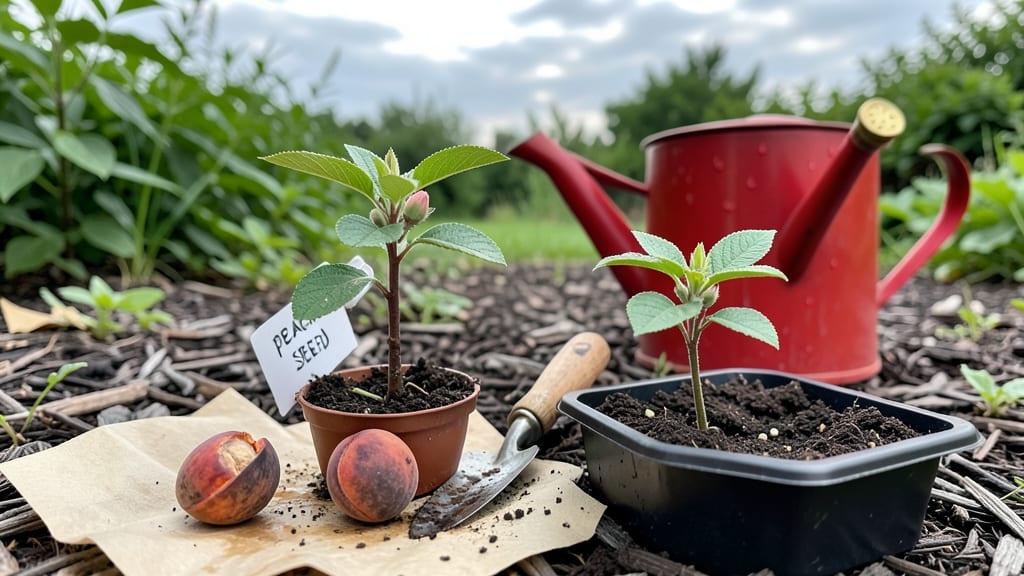
Do you have to crack a peach seed before planting? It isn’t always necessary, but it can dramatically speed up germination and improve your chances of growing a healthy 🍑 tree.
Ever wondered if cracking open a peach pit is the secret to growing a thriving fruit tree—or if you’re wasting your time? The answer might surprise you, and it could mean the difference between a healthy seedling and a failed germination attempt.
Peach seeds have a tough outer shell that sometimes slows down water absorption, delaying or even preventing sprouting. Cracking it mimics natural weathering, helping roots break through faster—but there’s more to it than just a quick tap with a hammer.
Below, I’ll walk you through the science behind seed cracking, step-by-step planting methods (whether you crack or skip it), and the common mistakes that kill even the most promising peach seedlings.
The science behind cracking peach seeds for faster germination
Peach seeds, or pits, come encased in a hard shell that nature designed to protect the embryo inside. This hard seed coat serves as a natural barrier against pests and harsh conditions, but it also creates a challenge for gardeners.
The decision to crack a peach seed before planting isn't just about convenience—it's rooted in seed dormancy and how moisture interacts with the embryo. Understanding this science can dramatically improve your germination success rate.
Peach seeds experience physical dormancy, meaning their hard outer shell prevents water from reaching the embryo. Without intervention, these seeds can remain dormant for months or even years. Cracking the seed mimics natural processes like scarification or weathering, which break down the shell over time.
This allows water to penetrate, kickstarting the germination process. However, this isn't always necessary—some seeds may germinate naturally given enough time and ideal conditions.
When you crack a peach seed, you're essentially bypassing dormancy. The embryo inside gains immediate access to moisture, which triggers metabolic activity and root development. Studies show that cracked seeds can germinate 30-50% faster than their uncracked counterparts.
This speed isn't just about convenience; it reduces the window for fungal infections and pest damage, which are more likely in prolonged germination attempts.
The seed coat's hardness plays a critical role in this process. Fresh peach pits have a thicker, more resistant shell compared to older or dried-out seeds. If you're working with freshly harvested peaches, cracking the seed is often recommended.
For older seeds, the natural breakdown of the shell may have already begun, making cracking less critical. Always test a few seeds to see how their shells respond to moisture.
Another key factor is root development. When a peach seed germinates, the first structure to emerge is the radicle, or primary root. In uncracked seeds, this root must exert significant pressure to break through the hard shell, which can delay growth and weaken the seedling.
Cracking the seed reduces this resistance, allowing the radicle to emerge more quickly and establish a stronger root system early on.
Here’s how the process compares when you crack versus don’t crack a peach seed:
If you choose to crack a peach seed, use a nutcracker or hammer to gently break the shell without damaging the embryo inside. Avoid crushing the seed completely, as this can harm the delicate internal structures.
Once cracked, soak the seed in water for 12-24 hours to ensure it absorbs enough moisture before planting. This step mimics natural stratification, a process where seeds undergo temperature fluctuations to break dormancy.
However, not cracking the seed has its advantages too. Leaving the seed intact preserves its natural defenses against pathogens and insects. Some gardeners swear by planting uncracked seeds in the fall, allowing nature to handle the dormancy-breaking process over winter.
This method can yield hardier seedlings, as the seed has undergone a more gradual adaptation to environmental conditions.
For those growing peach trees for fruit production, cracking seeds is often a moot point. Commercial peach trees are typically grafted onto rootstock for consistency and disease resistance, so growing from seed is more of a novelty or experimental project.
If you're aiming for a seedling tree, though, understanding the science behind cracking can mean the difference between a thriving sapling and a failed attempt.
Regardless of your approach, always plant peach seeds in well-draining soil with plenty of organic matter. Keep the soil consistently moist but not waterlogged, and provide bright, indirect light until the seedlings are strong enough to handle direct sunlight.
With the right preparation, you’ll be well on your way to growing a peach tree from seed—whether you cracked the pit or not!
Step-by-step guide: how to plant peach seeds (cracked or uncracked)
Planting peach seeds is a rewarding but delicate process, and the first decision you’ll face is whether to crack the seed or leave it intact. While cracking can speed up germination, it’s not always necessary—especially if you’re patient and willing to mimic natural conditions.
The key is understanding your seed’s needs and choosing a method that aligns with your goals for a healthy peach tree.
Whether you crack or skip it, the process starts with selecting fresh, plump seeds from ripe peaches. Avoid seeds from store-bought fruit, as they’re often treated to prevent sprouting.
Instead, source seeds from homegrown or organic peaches for the best germination success. Once you’ve chosen your seeds, follow these steps to plant them effectively.
How to Plant Peach Seeds
-
Step 1: Prepare the Seed
If cracking, use a hammer or nutcracker to gently tap the seed until the shell splits open. For uncracked seeds, skip this step but soak them in warm water for 24-48 hours to soften the shell naturally.
-
Step 2: Choose the Right Soil
Use a well-draining mix of potting soil and perlite (60/40 ratio). Peach seeds thrive in slightly acidic to neutral soil with a pH of 6.0-7.0. Avoid compacted or clay-heavy soil.
-
Step 3: Plant the Seed
Place the seed 1-2 inches deep in the soil, with the pointed end facing upward. If planting multiple seeds, space them 6 inches apart to avoid overcrowding.
-
Step 4: Water Gently
Keep the soil moist but not soggy. Water lightly every 2-3 days to prevent drying out. Use a spray bottle for cracked seeds to avoid displacing them.
-
Step 5: Provide Warmth and Light
Place the pot in a warm location (70-75°F) with indirect sunlight. A seedling heat mat can speed up germination if your home is cool. Avoid direct sun until sprouts appear.
-
Step 6: Transplant Seedlings
Once seedlings reach 4-6 inches tall and have 2-3 sets of leaves, transplant them into individual pots. Harden them off by gradually exposing them to outdoor conditions over 1-2 weeks before planting in the ground.
-
Step 7: Outdoor Planting
After the last frost, plant seedlings in full sun with well-draining soil. Space them 15-20 feet apart to allow for mature tree growth. Mulch around the base to retain moisture.
Cracking the seed isn’t mandatory, but it can cut germination time from 4-6 weeks to just 2-3 weeks. If you choose not to crack, consider stratification—placing seeds in a moist paper towel in the fridge for 6-8 weeks to mimic winter conditions and break dormancy.
Regardless of your method, patience is key. Peach seedlings grow slowly at first, and consistent care—like regular watering and protection from pests—will determine whether your tree thrives or struggles. With the right approach, you’ll be enjoying homegrown peaches in just a few years! 🍑