
Propagation
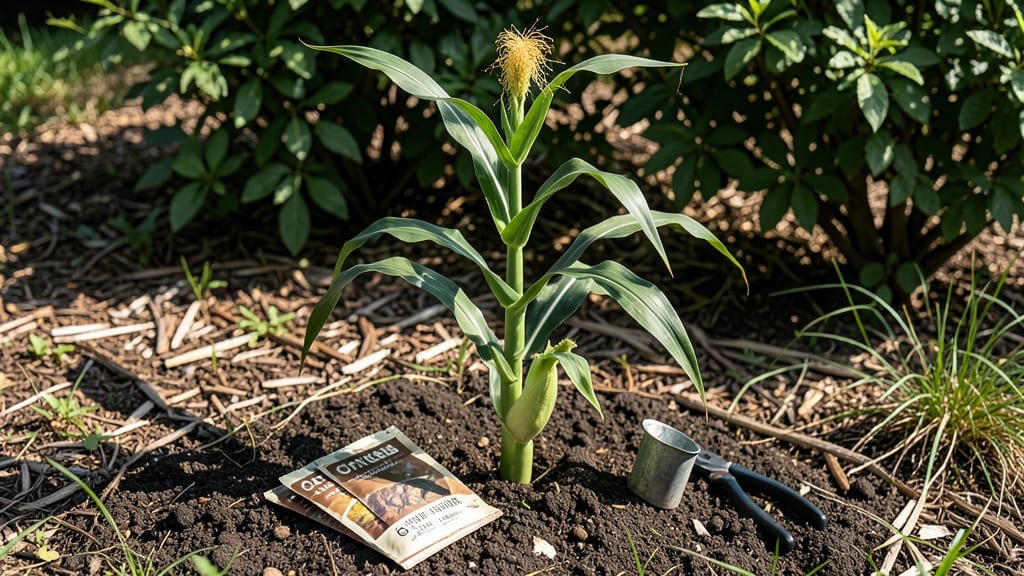
Corn seeds are the tiny powerhouses behind every towering 🌽 stalk, but not all of them will grow into the harvest you’re dreaming of.
Planting corn seeds only to discover they won’t sprout is every gardener’s worst nightmare—especially after months of preparation. Before you invest time and space, these quick tests will reveal whether your corn seeds are still viable or ready for the compost pile.
Whether you’re working with sweet corn, field corn, or popcorn, knowing how to check seed viability saves you from wasted effort. A simple water float test or paper towel germination can tell you in minutes what months of planning can’t.
In this guide, I’ll walk you through three foolproof methods to test your corn seeds, what to do with the ones that fail, and how to store the good ones for next year’s garden.
3 Fast tests to check corn seed viability before planting
Before you rush to plant your corn seeds, knowing whether they’ll actually sprout can save you time, space, and frustration. Many gardeners assume seeds are viable, only to discover too late that they’ve lost their germination potential.
These three simple tests—each taking just minutes to hours—will help you determine which seeds are worth planting and which should be composted.
Even high-quality corn seeds can degrade over time due to moisture exposure, temperature fluctuations, or improper storage. The good news? You don’t need a lab to test them. With just water, paper towels, and a little patience, you can assess viability right at home.
Let’s dive into the three most reliable methods to check your seeds before they hit the soil.
| Test Method | Time Required | How to Perform | Viable Seed Result | Non-Viable Seed Result |
|---|---|---|---|---|
| Water Float Test | 5 minutes | Fill a glass with water. Drop 10-20 corn seeds in and stir gently. Wait 5 minutes. | Seeds sink to bottom (90%+ chance viable) | Seeds float on top (likely non-viable) |
| Paper Towel Germination | 3-7 days | Moisten a paper towel and place 10 seeds between two. Store in a sealed bag at 70-80°F. | Radicle (tiny root) appears in 3-5 days | No growth after 7 days (non-viable) |
| Cold Stratification | 2-4 weeks | Mix dry corn seeds with damp sand. Store in a 35-45°F fridge for 2-4 weeks. | Seeds sprout when removed (cold-hardy varieties) | No germination after 4 weeks (non-viable) |
The water float test is the fastest way to weed out bad seeds. Healthy corn seeds are dense and will sink immediately, while hollow or rotted seeds float. This test works best for seeds stored longer than a year, as fresh seeds often pass even if viability is questionable.
For a more definitive answer, combine it with the paper towel germination test, which mimics natural sprouting conditions.
Place your seeds between damp paper towels in a sealed plastic bag. Store them in a warm, dark spot (like your fridge’s crisper drawer) and check daily. Viable corn seeds will sprout a tiny white root called a radicle within 3-5 days.
If no roots appear after 7 days, those seeds are likely dead. This method is especially useful for heirloom varieties or seeds with unknown storage history.
For gardeners in cooler climates, cold stratification mimics winter conditions to break seed dormancy. This test is ideal for northern varieties or seeds saved from the previous year. After 2-4 weeks in the fridge, remove the seeds and plant them immediately.
If they sprout within 5-7 days, they’re viable. If not, they’ve likely lost their ability to germinate, even with cold treatment.
Always test a representative sample—never all your seeds. A small batch of 10-20 seeds is enough to gauge viability. Label your seeds by variety and test date to track results for future reference.
Remember, even "failed" seeds can sometimes surprise you, so don’t discard them immediately—try planting a few as a backup.
If your tests reveal most seeds are non-viable, don’t panic. Many seed companies sell certified organic corn seeds with high germination rates. Look for packets labeled "tested" or "treated" for better success.
For next season, store viable seeds in a cool, dry place (like a sealed container in your freezer) to extend their lifespan for up to 5 years.
Once you’ve confirmed your seeds are viable, it’s time to plant! Remember, corn thrives in warm soil (at least 60°F) and needs full sun for best results. With your seeds tested and ready, you’re one step closer to a bountiful harvest of sweet, juicy ears.
What to do with seeds that fail viability tests
Finding out your corn seeds failed viability tests can feel like a setback, but don’t toss them just yet. Many non-viable seeds still have value beyond planting. First, separate the failed seeds from any remaining viable ones—you’ll want to save those for later.
Even "bad" seeds can be repurposed in smart ways around your garden or home.
If your seeds sank in the water float test but still didn’t sprout, they might just need more time or ideal conditions. Before composting, try a paper towel germination test one last time.
Place them in a sealed bag with a damp paper towel, then wait 3-5 days in a warm spot. If no sprouts appear, they’re truly done for planting.
Smart Ways to Repurpose Non-Viable Corn Seeds
- 🌱 Compost them – Add to your compost pile to boost soil nutrients. Corn seeds break down quickly and enrich the soil with nitrogen.
- 🪴 Use as mulch – Sprinkle around perennial plants or vegetable beds to retain moisture and deter weeds naturally.
- 🎨 Create seed art – Glue them onto craft projects, seed paper, or even winter wreaths for a rustic touch.
- 💡 Donate to schools – Local classrooms often need seeds for science projects or gardening lessons, even if they won’t sprout.
- 🌿 Feed to wildlife – Scatter them in bird feeders or wildlife gardens—birds and squirrels may still find value in the husks.
For any seeds that passed the viability test, store them properly to extend their lifespan. Place them in a cool, dry container with a silica gel packet or rice crispies to absorb moisture.
Label the container with the variety name and date—most corn seeds stay viable for 2-3 years under ideal conditions.
If you’ve exhausted all options and still need seeds, consider ordering fresh ones from a reputable supplier. Look for organic-certified or heirloom varieties if you’re prioritizing quality. Many seed companies offer discounts on bulk orders, making it cost-effective to restock for next season.
Remember, even "failed" seeds can teach you valuable lessons. Pay attention to storage conditions next time—humidity and temperature fluctuations are the biggest culprits for seed loss. With these tips, you’ll turn setbacks into opportunities for a more productive garden.
Now that you’ve handled the non-viable seeds, focus on giving your remaining viable seeds the best possible start. Happy gardening! 🌽